
Scoliosis Care in Orillia
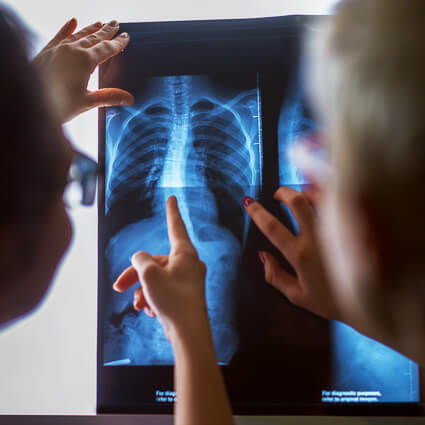 Scoliosis often starts quietly. A slight curve develops, posture shifts, and the body adapts without much warning. For some people, it shows up as uneven shoulders in the mirror or clothes that never seem to hang quite right. For others, especially children, it may present as discomfort during sports or fatigue that appears disproportionate to the activity.
While scoliosis is commonly associated with adolescence, adults can also experience it. Long hours of sitting, repetitive work, or prior injuries may reveal once subtle changes. When the spine curves beyond ten degrees to either side, it is commonly defined as scoliosis, although not every curve behaves the same way.
Everyday Signs That Deserve a Second Look
Scoliosis doesn’t always announce itself with sharp pain. Many people first notice asymmetry or strain. Parents often spot changes during growth spurts, when backpacks seem heavier on one side or a child avoids certain movements.
Common signs include:
- Uneven shoulders or hips
- A visible hump through the mid or upper back when bending forward
- Reduced breath capacity or a sense of restriction
- Broad, lingering discomfort affecting more than one spinal region
Why Early Checks Can Matter for Growing Spines
Kids rarely complain about back pain directly. Instead, they might say something feels “off” during play or exercise. Because spinal curves may change as growth accelerates, early screening can help provide clarity and direction. Sometimes the next step is simply monitoring. Other times, it’s guidance around movement habits, posture, or coordination with other healthcare providers.
How Chiropractic May Assist With the Related Strain
Chiropractic care is not intended to reverse scoliosis. Instead, it may help address how the body responds to the curve. Think of it like a wheel that’s slightly out of alignment; the goal is smoother motion, not rebuilding the entire structure.
Care at Restore Chiropractic & Wellness Centre may focus on joint mobility, muscle tension patterns, and the movement of the spine and ribcage during daily activities. Recommendations often extend into everyday life, including school ergonomics, backpack use, sleep positions, and a variety of movement.
What a Scoliosis Assessment May Include
Visits begin with conversation. Age, activity level, work or school demands, and symptom patterns all matter. Postural observation, movement testing, and functional checks help shape next steps. If imaging is suggested, the purpose and relevance should always be explained clearly so that decisions are informed rather than rushed.
Frequently Asked Questions
Can chiropractic care help scoliosis?
Should my child be checked without pain?
Next Steps for Scoliosis Screening in Orillia
If posture changes, recurring tension, or exercise discomfort have caught your attention, a scoliosis check may help clarify what’s going on and what makes sense moving forward. Book a scoliosis assessment today.
